Halloween can be a tricky holiday for Christians. Children playing with ideas of devils, evil things, and scary monsters does not fit well with God’s teachings of love, truth, light, and goodness. Some Christians enjoy celebrating Halloween with fun costumes and community activities, while other Christians choose to avoid the holiday completely because of its dark themes.
Regardless of individual opinions, all Christians can still learn about the history of Halloween! It is helpful to know how this holiday developed and mixed with Christian traditions over time. This blog post is a simple explanation of this somewhat sensitive topic. This lesson is perfect for ESL students, international ministries, homeschool children, families, and anyone who enjoys learning about American holidays with simple words.
Copyright Notice: All lessons and printables on this website are protected by copyright. You are welcome to download and print them for free for personal use, small groups, or Bible classes. You may share a link to this page, but please do not sell these materials or copy this content to other websites.
An Introduction to Halloween, All Saints’ Day, and All Souls’ Day
For thousands of years, ancient people gathered together at the end of autumn. This was the time when summer had ended, and cold winter arrived. Farmers collected their last crops from the fields during the harvest. Winter was dark and dangerous, so ancient Celtic people believed that the boundary between the living world and the spirit world opened at this time of year. They also took time to remember family members who had died.
Later, as Christianity spread across Europe, Church leaders created official holy days during this same season to try and change the focus to eternal life, honoring the dead, and remembering the famous Christians from the past.
Over time, these ancient gatherings and church traditions grew into three connected holidays:
- October 31: Halloween
- November 1: All Saints’ Day
- November 2: All Souls’ Day
Historically, each date focused on different sides of the themes of spirits, saints, and big questions about life and death. On October 31, people protected their homes from wandering spirits. On November 1, the Church honored holy saints and martyrs. On November 2, families remembered their own ancestors and deceased relatives.
Together, these three days show how pagan harvest customs and Christian church history mixed together over hundreds of years. Even though most people in America only celebrate Halloween, its name and many of its famous customs actually came from the traditions of All Saints’ Day and All Souls’ Day.
Ancient Origins (October 31)
Celtic Samhain Traditions
The Celts were an ancient group of people who lived in Europe thousands of years ago, especially in places we now call Ireland, Scotland, England, and France. They did not have modern cities or technology. Instead, they lived in small villages, farmed the land, and cared for animals. Their daily lives depended on the changing weather, the seasons, and the harvest.
More than 2,000 years ago, Celtic groups in Europe celebrated a famous festival called Samhain on the night of October 31. People pronounce this name SOW-in. This date marked the end of the warm summer harvest and the start of the dark, cold winter. Winter was difficult and dangerous, leading people to believe that the boundary between the living world and the spirit world was open on the night of Samhain.
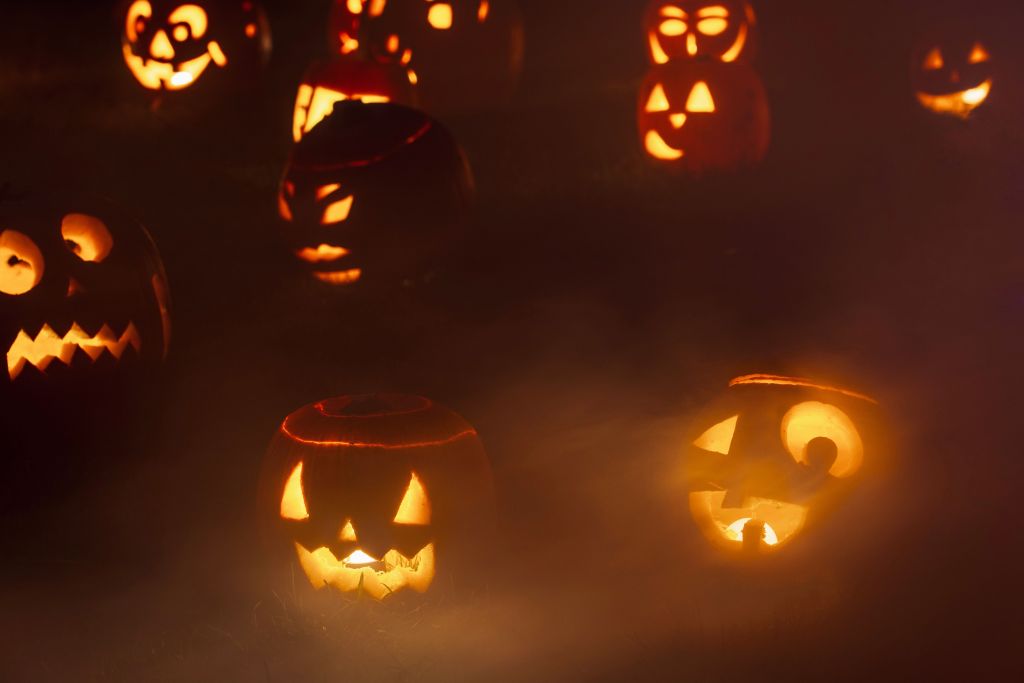
Celtic people wanted to protect themselves from wandering spirits that had crossed the boundary. They built large outdoor fires and wore disguises. These disguises were masks and clothes made from animal skins. They thought that bad spirits would think the people were ghosts and leave them alone. People also carved angry faces into turnips or beets. They put lit candles inside these vegetables to guard the doors of their houses from spirits.
The Church Establishes Holy Days
All Saints’ Day (November 1)
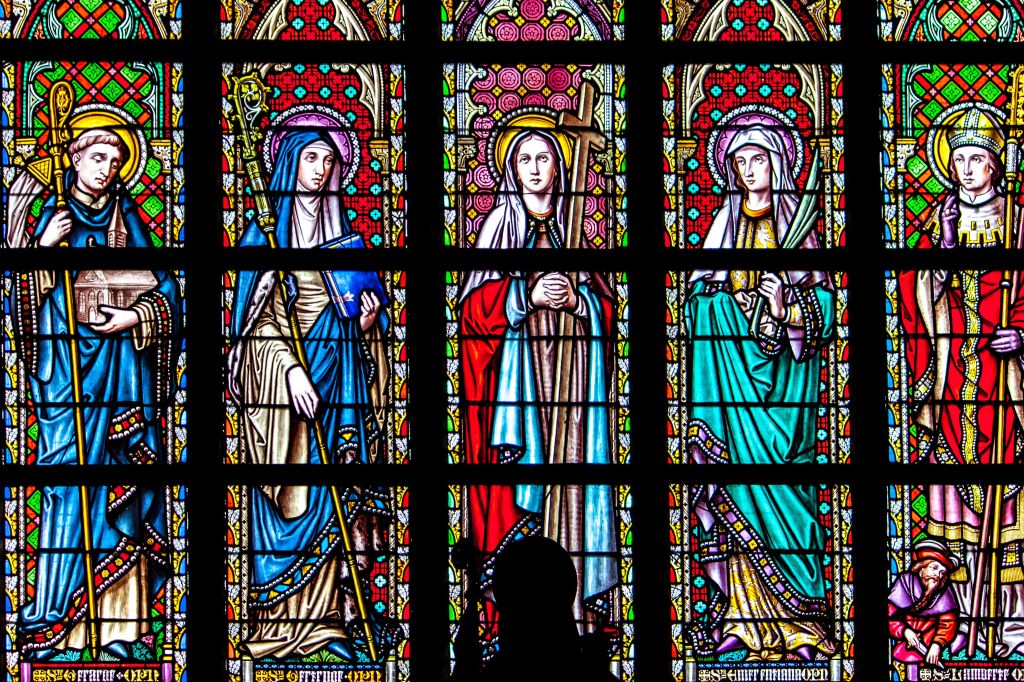
As Christianity spread across Europe, Church leaders chose November 1 as an official holy day named All Hallows’ Day, which is known today as All Saints’ Day. The night before became known as All Hallows’ Eve. “Hallow” is an old word for a saint or holy person. “Eve” means the evening or night before a holiday. Over hundreds of years, people shortened this phrase when speaking. It slowly changed into the modern word Halloween!
In the early Church, Christians held special celebration days for martyrs and saints. Martyrs were people killed for their religious faith, and saints were people known for living holy, good lives. Over the centuries, the number of saints grew very large. It became impossible to give every saint an individual day on the calendar. Therefore, Church leaders decided to create one single holiday to honor all saints together. This day was especially important for quiet or forgotten people who did not have their own special day.
At first, people celebrated this shared day of honor in May. Later, in the 800s, Pope Gregory III moved this holiday to November 1 for all churches worldwide. The Pope is the top leader of the Catholic Church. Church leaders chose November 1 for two main reasons:
- There was plenty of fresh food available after the autumn harvest to feed big crowds of travelers in Rome.
- The leaders wanted to replace older non-Christian harvest festivals like Samhain.
By placing a major Christian holiday on November 1, they hoped people would focus on praying for holy saints instead of practicing old pagan customs and superstitions. However, the church did not completely erase these old practices. Instead of disappearing, the ancient pagan customs mixed together with the Christian traditions over time.
In the past, November 1 was a quiet day of prayer and church services. Slowly, this religious tradition grew into a major national holiday across parts of Europe and Latin America. Today, several countries give people time off from work and school so families can attend church and spend the day together.
All Souls’ Day (November 2)
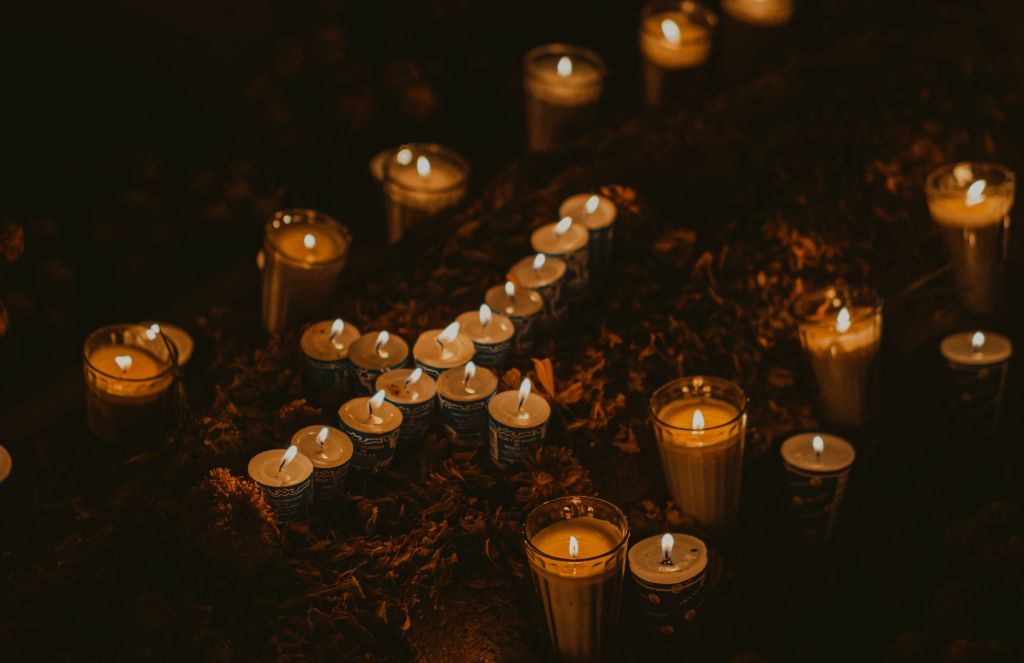
All Souls’ Day is observed every year on November 2. It has a different focus than All Saints’ Day. All Saints’ Day honored famous holy people already in Heaven. In contrast, All Souls’ Day was created to remember ordinary, everyday family members who had died.
Around the year 1000 AD, a French monk named Saint Odilo started this yearly day of prayer at his monastery. He wanted monks to remember their dead relatives, friends, and neighbors. Over time, this custom spread outside the monastery to regular church members across Europe. Catholic families started doing this every year on November 2. They used this day to pray for family members who had died, visit local cemeteries, and remember their ancestors.
Historically on All Souls’ Day, Catholic families baked small sweet treats called soul cakes. Children and poor neighbors walked from house to house. They sang songs and offered prayers for dead family members, and people gave them a cake in return. This custom was an early ancestor of modern trick-or-treating!
Today, families around the world also observe November 2 to show love and respect for their passed relatives, parents, and grandparents. People visit local cemeteries to clean grave sites. They place bright fresh flowers, such as orange marigolds or chrysanthemums, and light candles. In the evening, families gather at home for big traditional dinners, light candles, and share stories about their ancestors with younger family members.
Catholic Beliefs vs. Protestant Beliefs
In traditional Catholic belief, Catholic Christians believe in Purgatory. Purgatory is a temporary middle place where human souls are cleaned after death before going to Heaven. Catholic family members believe their prayers, church visits, and candles can help their relatives on their journey to Heaven.
Protestant Christians belong to church groups that separated from the Catholic Church starting in 1517. Protestants do not believe in the idea of Purgatory. They do not pray for dead relatives, so Protestants do not celebrate All Souls’ Day.
Modern Secular Halloween
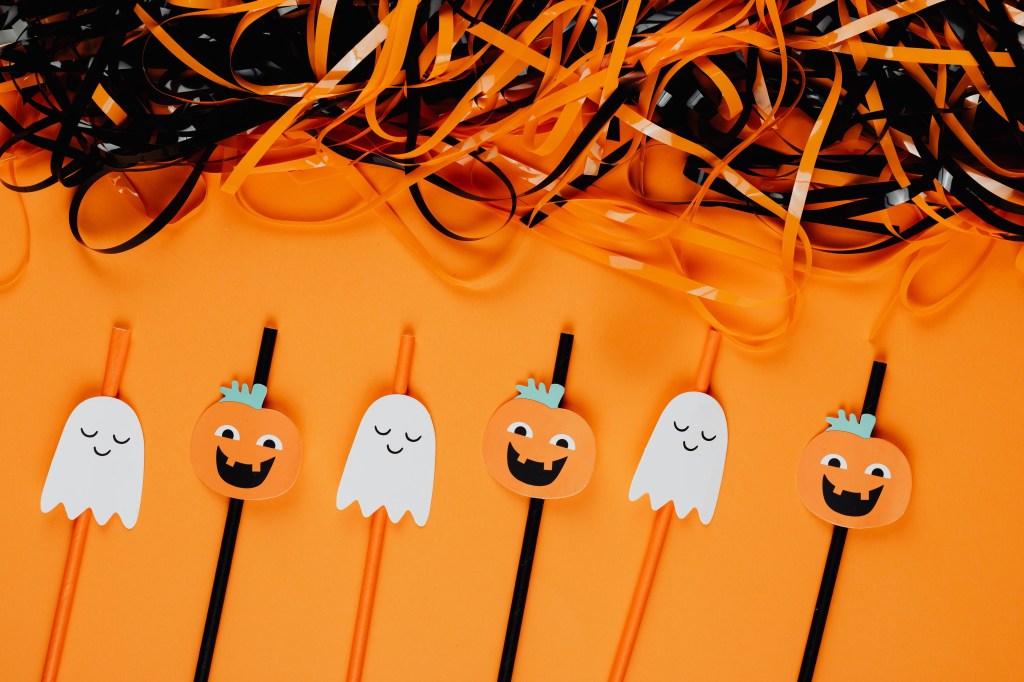
In modern times, Halloween is celebrated on October 31 as a secular holiday enjoyed around the world. A secular holiday is a non-religious event that is separate from church practices.
In the 1800s, European immigrants moved to North America. They brought their old harvest traditions with them. They found that native orange pumpkins were much bigger and easier to carve than European turnips. People carved funny or scary faces into the pumpkins and placed candles inside. This started the modern jack-o’-lantern tradition that we see on front porches today.
In North America, Halloween is mostly about fun community activities, neighborhood gatherings, and fall celebrations:
- Fall & Spooky Fun:
Throughout the month of October, families enjoy visiting pumpkin patches, going on hayrides, and baking autumn treats like apple cider donuts. Some people also enjoy scary fun by watching spooky movies, telling ghost stories, or visiting decorated haunted house attractions. - School & Community Parties:
During the last week of October, many schools, churches, and community centers host costume parades, fall carnivals, and pumpkin carving contests. Many churches and groups organize “trunk-or-treat” events where children get candy safely from decorated car trunks in a single parking lot. - Candy & Costumes:
On Halloween night, children dress up in disguises and costumes as superheroes, animals, doctors, or favorite storybook characters. They carry buckets from house to house trick-or-treating to collect candy from neighbors who leave their porch lights on.
Many Christians still struggle with how to handle Halloween. Some families choose to participate in lighthearted community events, while others prefer to avoid the day completely or host alternative church harvest festivals. Because Christians have different convictions and beliefs about this holiday, it helps to show love and respect toward one another.
How do you and your family approach Halloween? Do you celebrate it, avoid it, or do something special instead? Please leave a comment below to share your thoughts and traditions!
Vocabulary List
- ancestor: A family member who lived a long time ago, such as a great-grandparent.
- boundary: A real or imaginary line that separates two areas or spaces.
- custom: An action or activity that people in a group or society have done for a long time.
- disguise: Clothes, masks, or makeup worn to hide who you really are.
- harvest: The time of year in autumn when farmers collect crops from the fields.
- jack-o’-lantern: A pumpkin that has been hollowed out, carved with a face or design, and lit with a candle or light inside.
- martyr: A person who was killed because of their religious beliefs.
- monastery: A building where religious men called monks live, work, and pray together.
- pagan: Relating to ancient religious beliefs that held faith in many gods or nature spirits instead of the God of the Bible.
- pope: The top leader of the Roman Catholic Church.
- pumpkin: A large, round, orange vegetable native to North America used for carving jack-o’-lanterns.
- Purgatory: In traditional Catholic belief, a temporary middle place where souls prepare for Heaven.
- saint: A person recognized in Christian history for living an exceptionally good and holy life.
- secular: Non-religious; not connected to a church or religion.
- soul cake: A small, spiced sweet bread historically baked on All Souls’ Day and given to visitors in exchange for prayers.
- tradition: A belief, custom, or way of doing something that has been passed down over generations.
- trick-or-treating: A modern Halloween activity where children wear costumes and go door-to-door to ask for candy.
- turnip: A round root vegetable originally used in Europe to carve protective lanterns.
Discussion Questions
- Why did the ancient Celts wear disguises and carve turnips on the night of Samhain?
- How did the name “Halloween” develop from “All Hallows’ Eve”?
- Why did European immigrants in North America switch from using turnips to pumpkins?
- What is the difference between a saint and a martyr?
- Why did Church leaders choose November 1 for All Saints’ Day?
- What is the main difference between All Saints’ Day and All Souls’ Day?
- How were historical “soul cakes” related to the modern tradition of trick-or-treating?
- Do people celebrate Halloween, All Saints’ Day, or All Souls’ Day in your home country? How do they celebrate?
- How do people in your culture remember and show respect to family ancestors who have died?
- Does your home country have any special festivals or traditions during the autumn harvest season?
More Easy English Resources
More Related Resources
Visit the Joyful Moments ESL homepage for all posts, or scroll through other blog posts:
Something went wrong. Please refresh the page and/or try again.
Scripture quotations marked (ERV) are taken from the HOLY BIBLE: EASY-TO-READ VERSION ©2006 by Bible League International. Used by permission.


Leave a Reply